





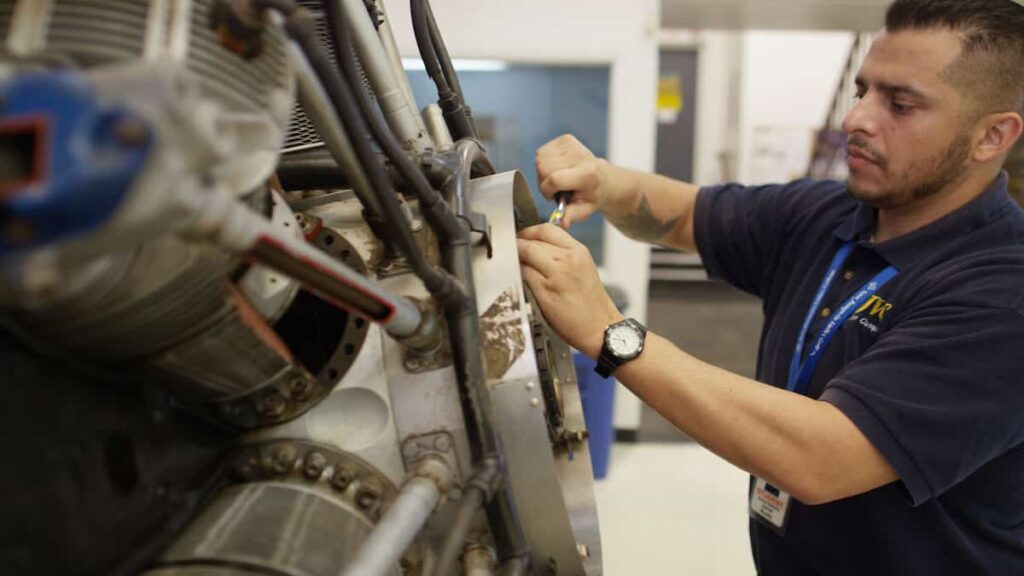
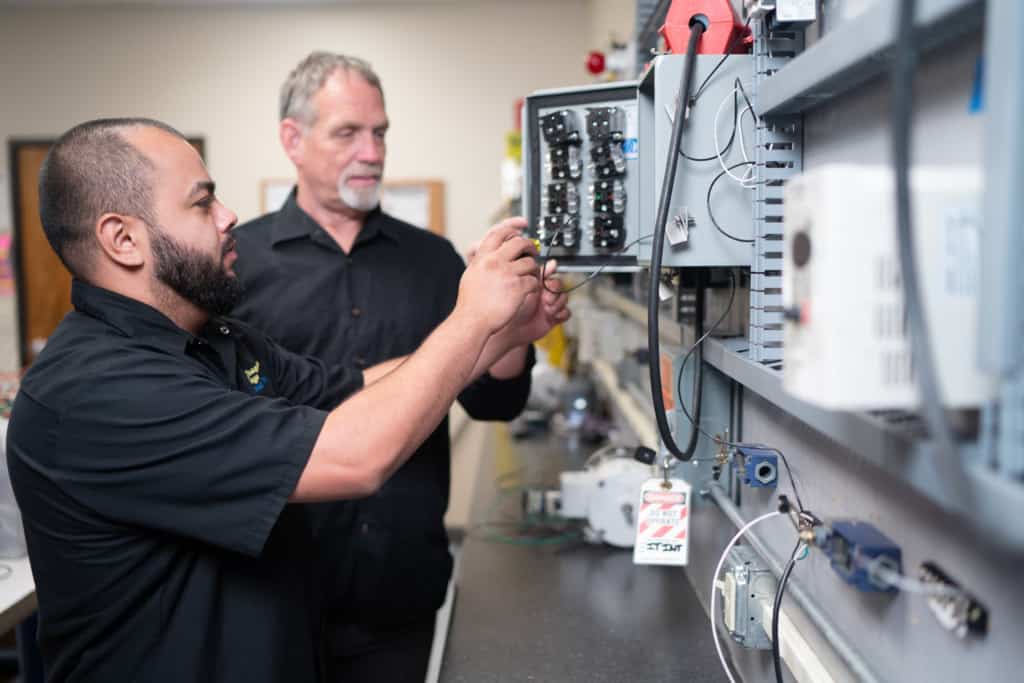

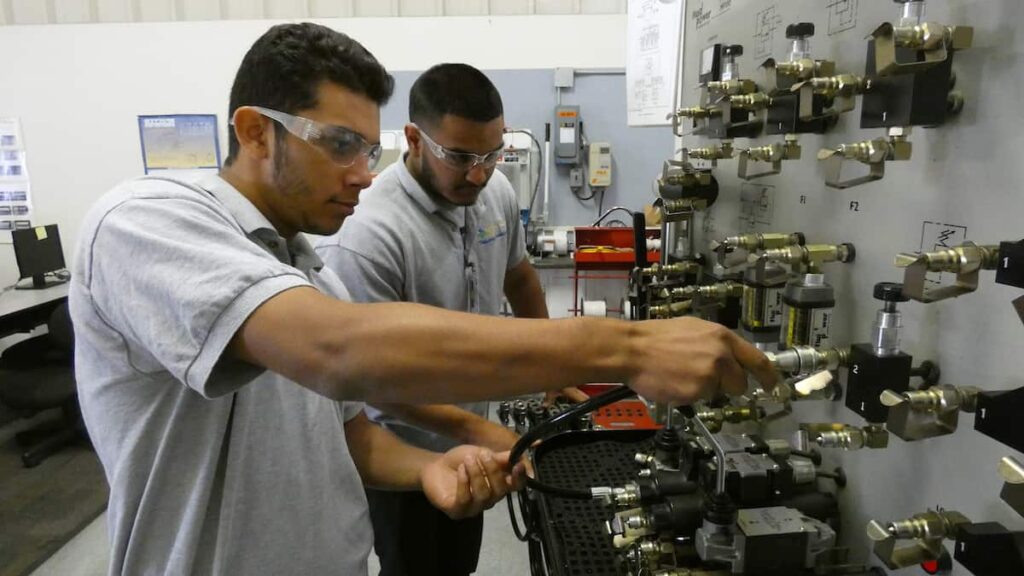


If you’re exploring education options after high school (or considering a career change), you may be wondering what a trade school is and how it compares to other higher education options. A trade school is an educational institution that focuses on teaching students the specific skills needed for a particular career, often in hands-on, technical fields.
Trade schools are also often called:
- Vocational schools
- Technical schools
- Career training schools
- Skilled trade schools
While the names may vary slightly, they all share a common goal: helping students prepare for real-world work through focused, practical training rather than broad academic coursework. If you’re interested in your options, you can learn more about the Trades and Industrial programs at SJVC.
How Trade Schools Work
Trade schools are designed to help students gain career-ready skills in a shorter, more focused timeframe than traditional academic programs.
- Hands-On vs. Classroom Learning: Instead of primarily lecture-based instruction, trade schools emphasize hands-on training. Students often spend time in labs, workshops, or simulated work environments where they can practice the skills they’ll use on the job. (1)
- Certificates, Diplomas, and Licenses: Programs may lead to a certificate or diploma, depending on the field and length of study. Some careers may require licensure, and training programs are often designed to help prepare students for those exams. (1)
- Real-World Training: Many programs include practical training opportunities, such as lab work or industry-aligned experiences. This approach helps students build confidence and familiarity with tools, systems, and workflows used in their chosen field. (1)
What Programs Do Trade Schools Like SJVC Offer?
Trade schools often offer a wide range of programs across industries that rely on technical skills and hands-on expertise.
Skilled Trades
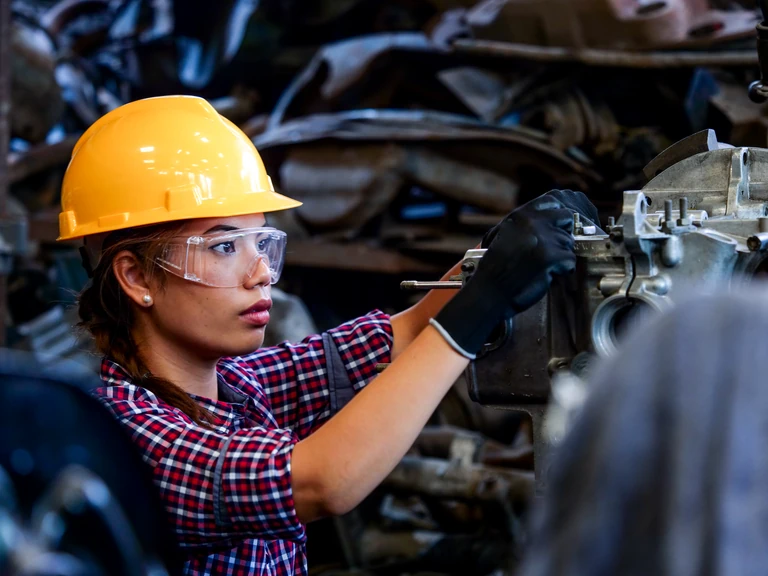
Programs in the skilled trades focus on building, repairing, and maintaining essential systems and structures. Examples include:
- Electrical Technology
- HVAC-R (Heating, Ventilation, Air Conditioning and Refrigeration)
- Construction Management
These programs typically emphasize safety practices, system troubleshooting, and technical knowledge for entry-level roles.
Technology & IT Programs
Technology-focused programs may cover areas like computer systems, networking, or IT support. Students can learn how to work with hardware, software, and digital systems that support modern businesses.
Mechanical Training
Mechanical-focused programs prepare students to work with engines, equipment, and transportation systems. Examples include:
Training often includes diagnostics, repair techniques, and preventative maintenance practices.
Program availability varies by campus and is subject to change. Refer to the SJVC College Catalog for full program details.
Benefits of Trade School
When you’re looking into the benefits of trade school, several advantages often stand out
- Focused training: Programs concentrate on specific career skills rather than general education courses.
- Shorter program length: Some programs may be completed in a shorter timeframe than traditional degree programs.
- Hands-on experience: Practical training can help students feel more prepared for workplace tasks.
- Career-oriented education: Curriculum is aligned with real-world job functions.
Research suggests that career and technical education can support skill development and workforce readiness. (2)
Additionally, many skilled trades careers require postsecondary non-degree awards or specialized training rather than a bachelor’s degree. (1)
Who Should Consider Trade School?
Trade school may be a good fit for individuals who:
- Prefer hands-on learning over traditional classroom settings
- Want to focus on a specific career path
- Are looking for a more direct path to workforce entry
- Are interested in technical or skilled trades fields
It can also be a strong option for adults seeking a career change or additional skills.
How to Choose the Right Trade School
If you’re trying to figure out how to choose the right trade school, there are a few key things to consider:
- Accreditation: Institutional accreditation can indicate that a school meets established standards for quality and accountability. (3)
- Program offerings: Make sure the school offers training aligned with your career goals
- Facilities and equipment: Modern labs and tools that support hands-on learning
- Student support services: Tutoring, career services, and advising can help you stay on track
Taking time to compare options can help you find a program that fits your needs and goals.
Trade School vs. College
Understanding the difference between trade school and college can make it easier to decide which path is right for you. Here’s how they compare:
- Trade schools focus on specific career skills and hands-on training.
- Colleges and universities often offer broader academic programs that include general education courses.
Both paths offer different approaches to education and training. (1) (4)
Trade School vs. Apprenticeship
Another common comparison is trade school versus apprenticeship.
- Trade schools provide structured, classroom and lab-based training before entering the workforce.
- Apprenticeships typically involve working under experienced professionals while learning on the job.
Some occupations, such as electricians, may involve a combination of classroom instruction and apprenticeship training as part of career preparation. (1)
Get Your Trades Career Started at SJVC
If you’ve been wondering how to choose a trade school, San Joaquin Valley College (SJVC) offers a variety of programs in trades and industrial fields designed to help students build practical skills.
With a focus on hands-on training and career-oriented education, SJVC provides opportunities for students to prepare for entry-level roles in essential industries.
Request information about SJVC’s Trade and Industrial programs now.
References
- U.S. Bureau of Labor Statistics. “Occupational Outlook Handbook: Electricians.” https://www.bls.gov/ooh/construction-and-extraction/electricians.htm a b c d e f
- MDRC. “Career and Technical Education: A Summary of the Evidence.” https://www.mdrc.org/work/publications/career-and-technical-education-summary-evidence a
- U.S. Department of Education. “Accreditation in the United States.” https://www.ed.gov/laws-and-policy/higher-education-laws-and-policy/college-accreditation a
- U.S. Bureau of Labor Statistics. “Education Pays.” https://www.bls.gov/emp/chart-unemployment-earnings-education.htm a