



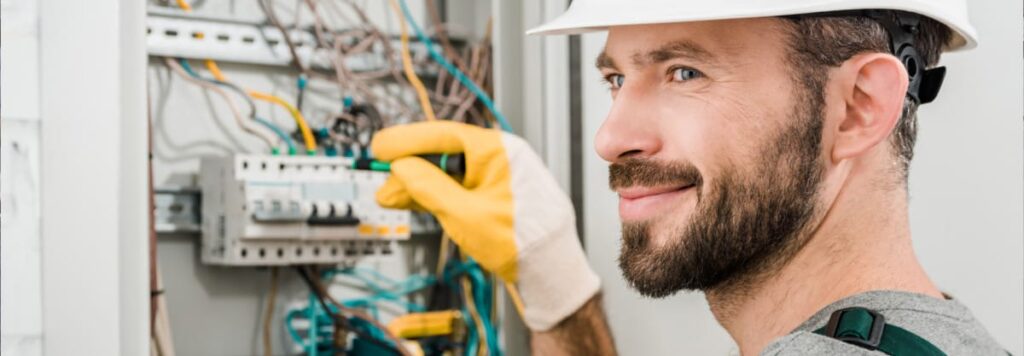

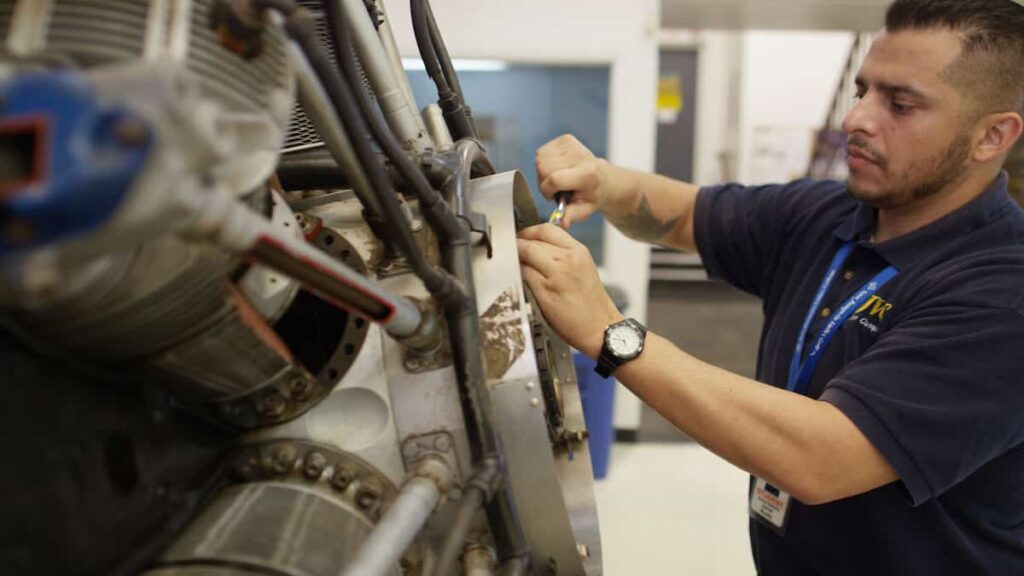
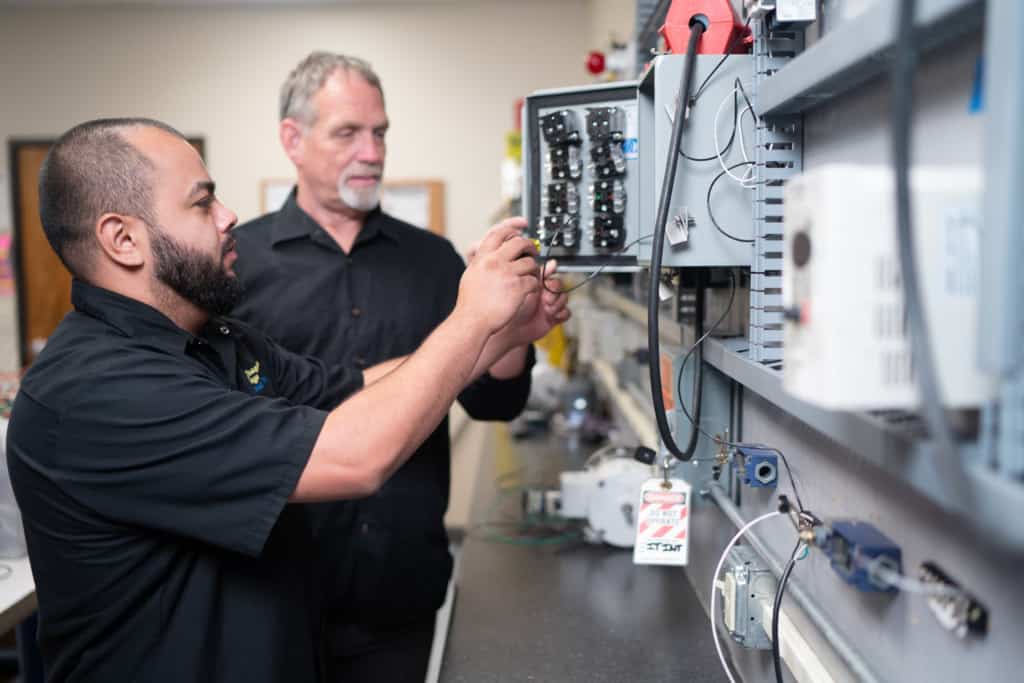

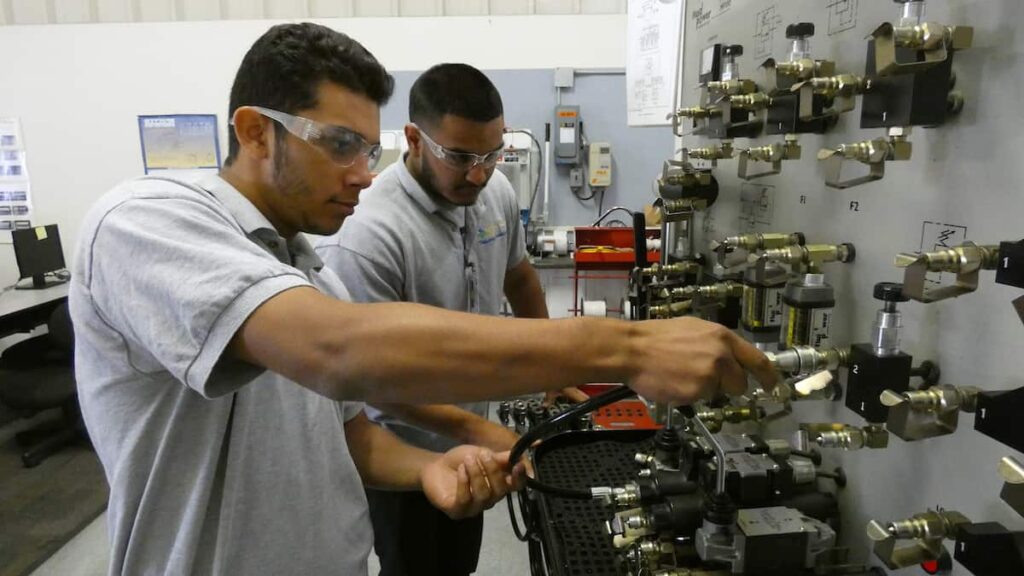


 HVAC technicians and installers work with heating, cooling, air conditioning, and refrigeration units. (1) Both careers may require employees to earn a Heating, Ventilation, Air Conditioning & Refrigeration (HVAC-R) certificate, although some may learn their trade on the job or through apprenticeships. Both careers also require an EPA Section 608 Technician Certification. (2) Here’s an overview of the differences between the two careers.
HVAC Installer vs. HVAC Technician: Key Differences
|
HVAC Installer |
HVAC Technician |
|
|---|---|---|
|
Primary Job Responsibilities |
Setting up, wiring, and ducting new HVAC systems |
Troubleshooting, diagnosing faults, servicing, and repairing broken equipment |
|
Daily Routine |
Predictable schedule, often on construction sites |
Varied and unpredictable schedule with on-call shifts |
|
Core Tasks |
Sizing ductwork and connecting refrigerant lines |
Using diagnostic tools, testing components, and replacing parts |
|
Skillset |
Heavy manual labor, measuring, and plumbing |
Electrical theory, mechanical troubleshooting, and customer service |
|
Career Path |
Entry-level starting point |
Advanced role requiring deeper technical certifications and licensing (3) |
What Does an HVAC Installer Do?
An HVAC installer sets up new HVAC systems, either installing systems in new construction or replacing older, worn-out systems in existing homes or businesses.
HVAC Installer Duties and Responsibilities
- Mounts and places furnaces, air conditioners, heat pumps, and other system components.
- Connects electrical wiring, gas lines, refrigerant tubing, and thermostats.
- Runs tests to ensure new systems are properly calibrated, run at peak efficiency, and meet manufacturer specifications.
- Ensures installations meet local building codes and safety regulations.
What Is an HVAC Technician?
HVAC technicians may also install new HVAC systems. They also maintain and repair existing systems, troubleshoot equipment, and run diagnostics. Technicians may handle residential and commercial HVAC systems or specialize in HVAC-R, commercial HVAC, energy-efficient HVAC, or solar-powered HVAC. Discover more information about HVAC technicians in our Career Guide.
HVAC Technician Duties and Responsibilities
- Installing new HVAC systems based on technical blueprints.
- Maintenance and repair work, cleaning coils, changing filters, and checking refrigerant levels.
- Diagnosing complex electrical and mechanical issues using advanced diagnostic tools.
- Replacing old, worn components.
- Resolving problems like poor air flow and system leaks.
HVAC Technician Pros and Cons
The outlook for HVAC technician roles appears to be positive due to the increase in extreme weather events and the rapid aging of infrastructure in many parts of the country. The job’s hands-on requirements make it more resistant to automation and AI, and offer daily challenges for those who enjoy active work.
The job is physically demanding, sometimes requiring technicians to crawl into tight spaces and lift heavy equipment. Work occurs in all weather conditions, and the on-call nature of the job can make working hours unpredictable, especially during peak heating and cooling seasons.
How to Determine Which HVAC Career Path Is Right for You
If you enjoy working with your hands and a regular work schedule, you might enjoy working as an HVAC installer. If you prefer the challenge of troubleshooting equipment and continuous learning, you could discover that an HVAC technician career is the better fit.
HVAC Training and Education
The proper education and training can help prepare you for HVAC installer or technician roles. An HVAC-R program should offer hands-on, practical training under the supervision of an experienced instructor. In addition to technical skills, students should learn essential safety practices and have opportunities to practice in labs and real-world environments.
Start Your HVAC Career Journey With SJVC
Ready for an HVAC technician career? SJVC offers a career-focused Heating, Ventilation, Air Conditioning, & Refrigeration (HVAC-R) program. You’ll learn the essential skills and knowledge for entry-level HVAC-R positions, including electrical theory, installation and maintenance, and the safe handling of tools and refrigerants. Students get hands-on practical training and prepare to sit for the EPA Section 608 Technician Certification exam.* Check out our HVAC-R program for more information.
*SJVC prepares students to take appropriate certification and licensure exams related to their individual majors. The College does not guarantee students will successfully pass these exams or be certified or licensed as a result of completing the program.
References
- U.S. Bureau of Labor Statistics. (2025, August 28). Heating, air conditioning, and refrigeration mechanics and installers: Occupational outlook handbook. U.S. Department of Labor. https://www.bls.gov/ooh/installation-maintenance-and-repair/heating-air-conditioning-and-refrigeration-mechanics-and-installers.htm a
- U.S. Environmental Protection Agency. (2026, March 23). Section 608 technician certification requirements. https://www.epa.gov/section608/section-608-technician-certification-requirements a
- Talbot, T. (2024, June 14). HVAC installer vs technician – What’s the difference? FieldEdge. https://fieldedge.com/blog/hvac-installer-vs-technician/ a