







The Bureau of Labor Statistics reports that demand for electricians is projected to rise by 9% between 2025 and 2035, much higher than the average growth rate of 3%. (1) Completing an electrical trade school program can help prepare you for entry-level positions in the field, but it’s important to find an electrician school that fits your individual goals. Looking at specific characteristics of a school and its program can help you compare your options and find the best electrician school for you.
What Should You Look for in an Electrician School?

No single feature determines the “best” electrician school for everyone. Instead, a series of quality indicators can help you compare programs and determine which option fits your goals. Those factors include:
- Hands-on training
- Industry-relevant curriculum designed around workplace readiness
- Certification preparation and licensure pathways
- Support services for program graduates
- Relationships with local electrical companies and contractors
- Clear timelines for program completion
- Institutional accreditation and state approvals
Five Characteristics to Consider When Comparing Electrician Programs
1. Extensive Hands-On Training
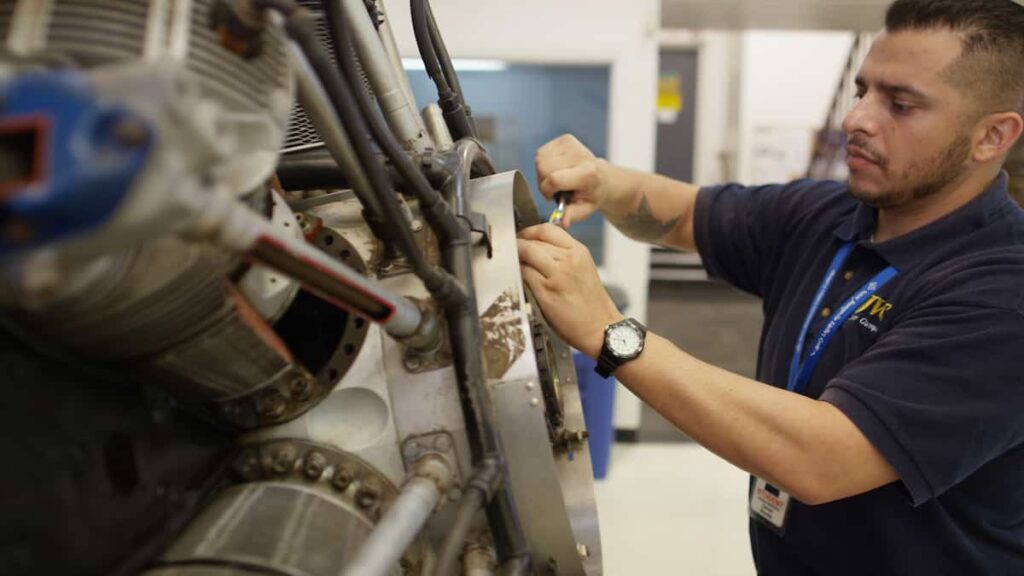
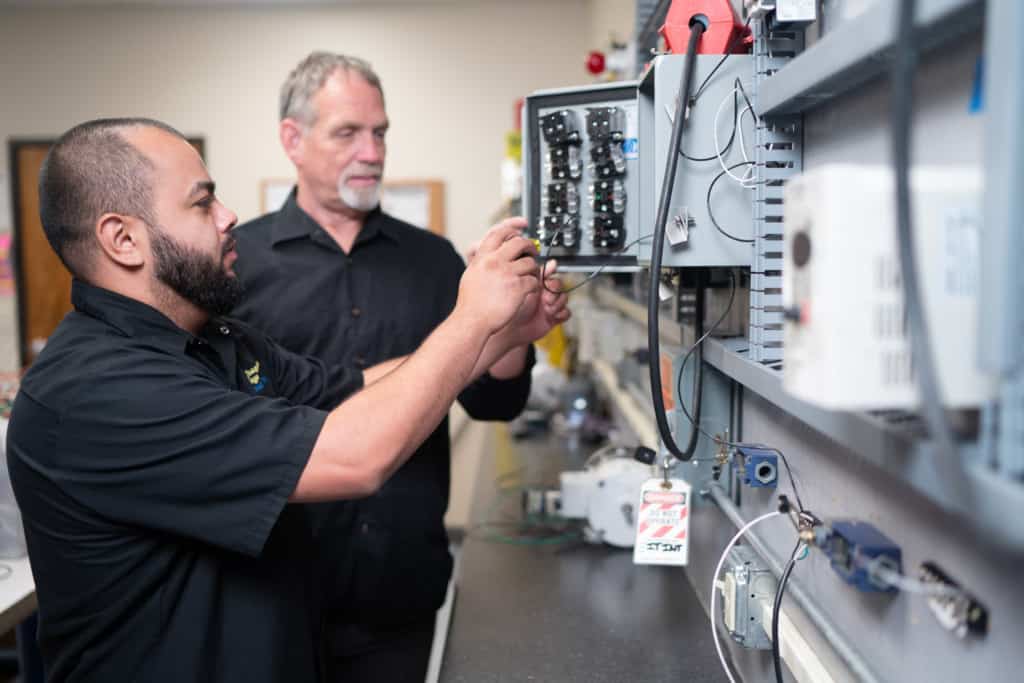
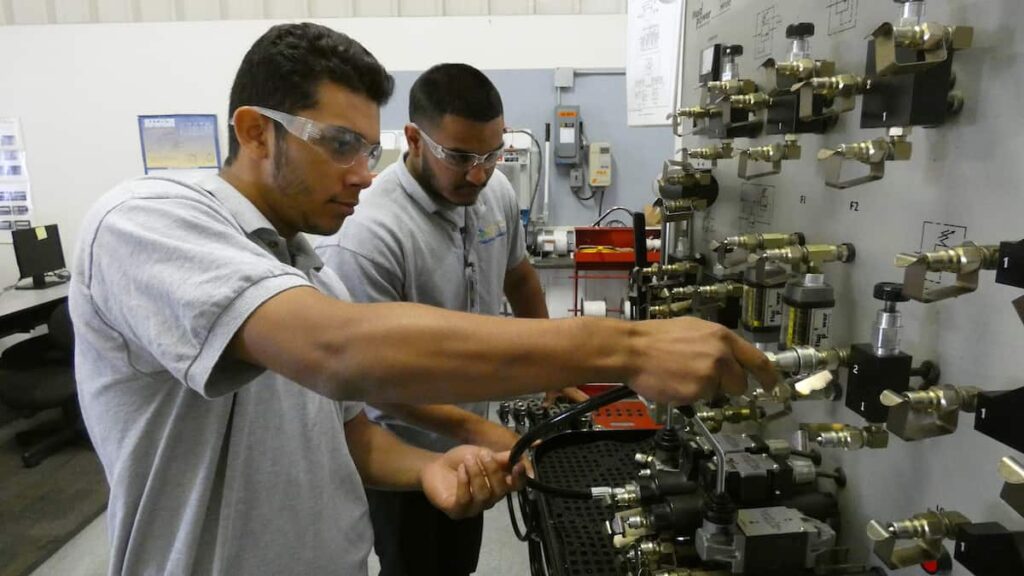
When comparing electrician schools, consider the amount and type of hands-on training each program provides, including opportunities to reinforce proper safety practices. A hands-on approach allows students to work with residential, commercial, and industrial electrical systems and build practical, career-focused skills.
2. Curriculum That Aligns With Industry Standards
Electrical trade school programs should provide curriculum relevant to the skills and standards used in the field. For instance, the San Joaquin Valley College Electrical Technology program incorporates National Electrical Code safety standards. Students also have the opportunity to earn OSHA-10 (2) and CPR certifications.*
3. Preparation for Certification and/or Licensure
Another factor to consider is whether an electrician school helps prepare students to pursue applicable certification or licensure requirements.* Requirements can vary by state, making it important to understand the steps that may be required after completing your education.
When becoming an electrician in California, for instance, only registered apprentices or legal electrician trainees can work without passing the California General Electrician Certification (CGEC) Exam. (3)
SJVC has several California campus programs, specifically its Electrical Technology courses, approved by the California Department of Industrial Relations (DIR). For more information on state-specific licensure, check out How to Become an Electrician in Arizona.
4. Career Services That Continue After Graduation
Career support is another quality indicator to consider when comparing schools. Look for a school with active Career & Student Services departments that provide resources such as resume-building guidance and interview preparation.
5. Programs Designed Around Workforce Readiness
Consider how a program helps students develop practical, career-focused skills relevant to the workplace. This may include opportunities to put theory into practice through hands-on training and work with tools, equipment, and electrical systems related to the field.
How SJVC’s Electrical Technology Program Supports Career Readiness
Accelerated Training
The SJVC Electrical Technology program offers a focused path for developing electrical technology skills. Students can earn a Certificate of Completion in as few as 10 months.
Learn Practical Electrical Technology Skills
Students learn a range of practical skills, including wiring and installing residential and commercial electrical systems, troubleshooting, electrical theory, blueprint reading, working with industrial systems such as programmable logic controllers, and proper safety standards.
Hands-On Learning Throughout the Program
SJVC’s Electrical Technology program focuses on practical, hands-on training with tools, equipment, and electrical systems in lab-based settings designed to give students opportunities to apply what they learn.
Questions to Ask Before Choosing an Electrician School
- Is the school accredited? Look into the institution’s accreditation and applicable program or state approvals when comparing your options.
- Does the program help prepare you for applicable certification or licensure requirements? Check whether the curriculum helps prepare students to pursue applicable state requirements and offers opportunities to earn OSHA-10 or other certifications.
- How much hands-on lab work is included? Ask how the program balances hands-on practice with lectures and instruction.
- What equipment is used? Ask what types of tools and equipment students use during their training.
- Does the school offer career services? Services may include resources such as interview preparation, resume-building guidance, or other career support.
Is SJVC’s Electrical Technology Program Right for You?
The best electrician school for you depends on factors such as your educational goals, location, preferred learning experience, and the type of support you’re looking for. Comparing these quality indicators can help you make a more informed decision about which option fits your needs.
Ready to learn more? Find information about training, curriculum, program length, and locations on SJVC’s Electrical Technology page.
*SJVC prepares students to take appropriate certification and licensure exams related to their individual majors. The College does not guarantee students will successfully pass these exams or be certified or licensed as a result of completing the program.
Resources
- U.S. Bureau of Labor Statistics. (n.d.). Electricians. U.S. Department of Labor. https://www.bls.gov/ooh/construction-and-extraction/electricians.htm#tab-6 a
- Occupational Safety and Health Administration. (n.d.). Outreach training program. U.S. Department of Labor. https://www.osha.gov/training/outreach a
- California Department of Industrial Relations. (n.d.). Electrician certification. https://www.dir.ca.gov/dlse/ecu/elecat.html a
- Strada Education Foundation. (n.d.). How colleges help students succeed beyond completion. https://www.strada.org/reports/how-colleges-help-students-succeed-beyond-completion