






 When pursuing a California electrician license or certification, it’s important to understand that the state regulates electricians in two different ways:
- Electrician Certification: For individuals working under a licensed contractor
- C-10 Electrical Contractor License: For individuals or businesses contracting directly with clients
California does not issue a general “electrician license” for employees. Instead, most working electricians must obtain state certification through the California Department of Industrial Relations (DIR). (1) Contractors must be licensed through the Contractors State License Board (CSLB). (2)
The process typically includes meeting eligibility requirements, completing approved training, gaining documented experience, and passing a state exam. Whether you’re exploring how to become an electrician in California or planning a career change, knowing the state-specific rules can help you map out your next steps.
Do You Need a California Electrician License?
Yes, California requires certification or licensing for most individuals performing electrical work. The exact requirement depends on your role.
In California:
- Electricians performing work for a licensed contractor must hold state certification. (1)
- Individuals who operate an electrical business must obtain a C-10 Electrical Contractor License from CSLB. (2)
The certification requirement applies to specific classifications (such as general electrician or residential electrician).
If you’re performing electrical work under a C-10 contractor, you must register, document qualifying experience, and pass a state exam to become certified.
What Is the California Electrical Certification Process?
California electrical certification is the state’s required credential for electricians working under licensed contractors. It is administered by the DIR’s Division of Labor Standards Enforcement (DLSE). (1)
To become certified, applicants must:
- Submit an application to the state.
- Verify qualifying on-the-job experience.
- Pass the state certification examination, (1)
This certification process is separate from earning a contractor’s license, which involves additional business and legal requirements through the CSLB.
How to Get Electrician License California
The process of getting an electrician license in California generally includes formal training, documented work experience, and passing a state exam.
Step 1: Register as an Electrical Trainee
Many aspiring electricians begin by registering as Electrical Trainees with the DIR while enrolled in approved training. (3)
Step 2: Complete Technical Training
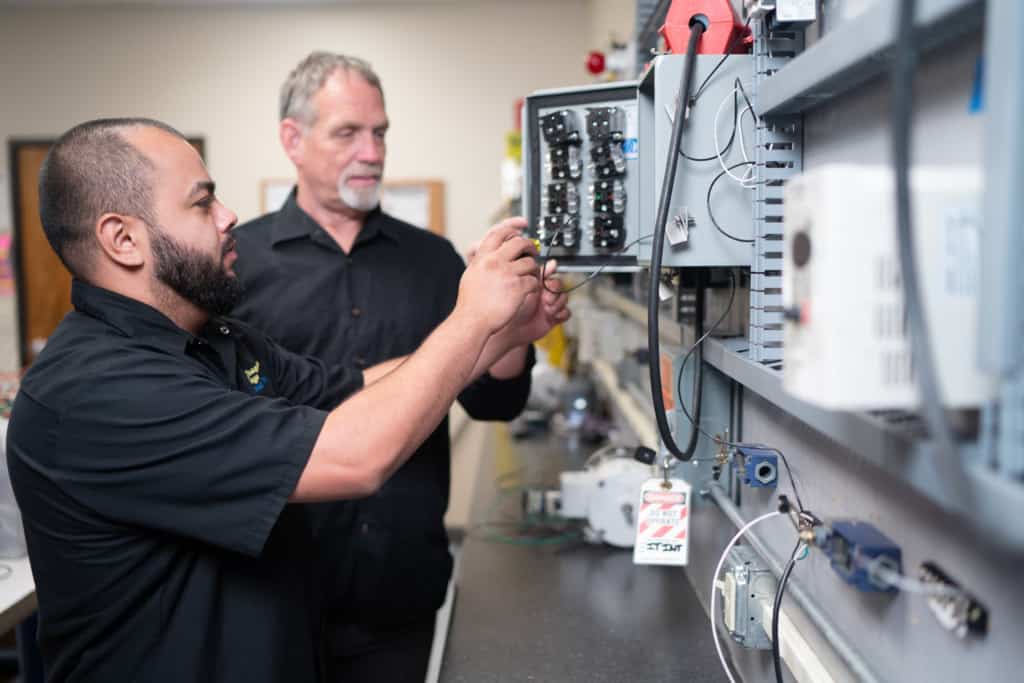
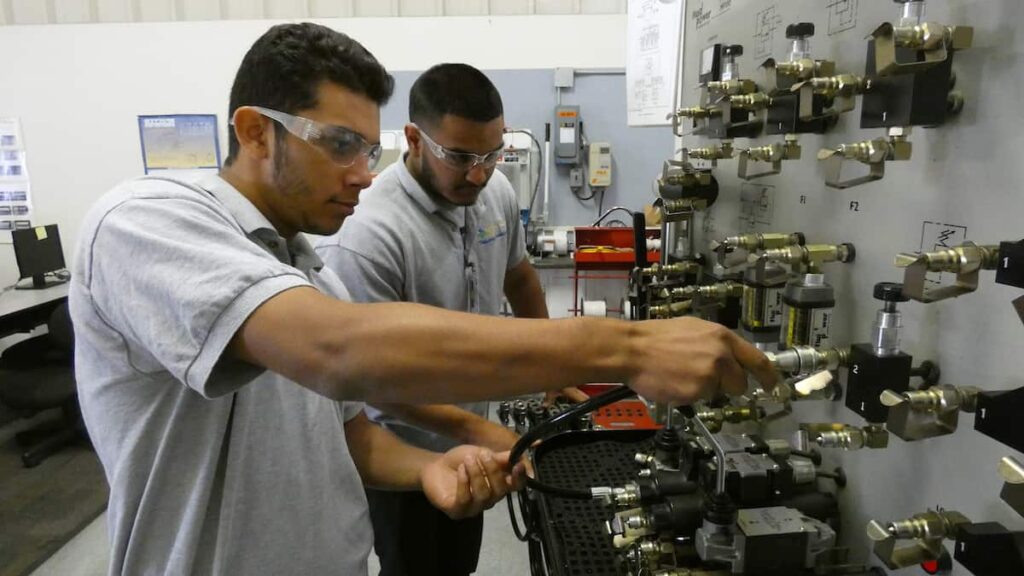
Completing a formal Electrical Technology program can help you build foundational knowledge in electrical theory, wiring systems, and safety practices aligned with California standards.
Step 3: On-the-Job Experience
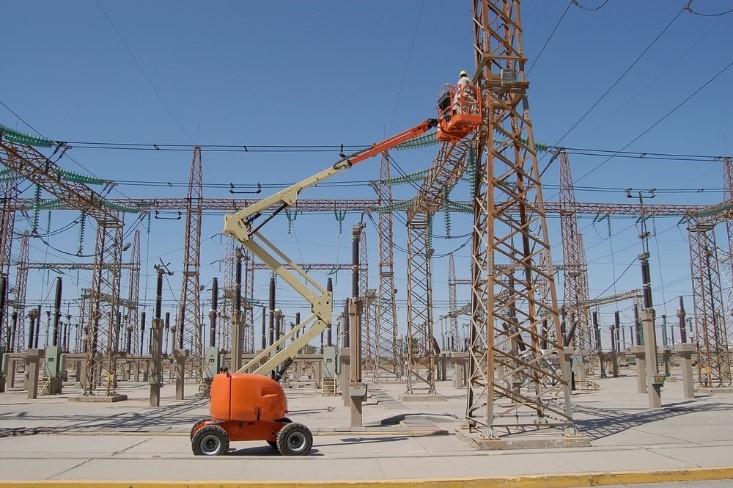
California requires documented supervised work hours before you can sit for certification. Apprenticeships or entry-level roles help you gain this experience.
Step 4: Pass the State Licensing or Certification Exam
To become certified, applicants must pass the state exam covering electrical code and safety standards. This step is required for those pursuing a California state electrical license or certification pathway.
What Is the Difference Between a California Electrician License and Certification?
This is one of the most common points of confusion.
- Electrician Certification: Issued by the California DIR, certification allows individuals to legally perform electrical work while employed by a licensed contractor. (1)
- C-10 Electrical Contractor License: Issued by the California Contractors State License Board (CSLB), the C-10 license allows an individual or business to contract directly with clients for electrical projects. (2)
If your goal is to work as an electrician for an employer, you typically pursue certification. Whereas if your goal is to operate your own electrical contracting business, you must obtain a C-10 license. Understanding this distinction is important when planning your path toward becoming an electrician in California.
How Long Does It Take to Get Your Electrician License in California?
The timeline depends on how quickly you accumulate the required work hours.
Because General Electricians must complete 8,000 hours of supervised work experience, the process often takes approximately four years of full-time employment. (4)
After meeting experience requirements, applicants must pass the state exam before receiving certification. (1)
Start Your Path Toward a California Electrician License
If you’re exploring how to become an electrician in California, starting with structured technical training can help you build foundational skills aligned with state requirements.
SJVC’s Electrical Technology program offers classroom instruction and hands-on lab experience designed to prepare students for entry-level roles and apprenticeship pathways in California. (5)
Start your path by getting the right training. Learn more about SJVC’s Electrical Technology program now.
References
- California Department of Industrial Relations (DIR), Division of Labor Standards Enforcement. “Electrician Certification Program.” https://www.dir.ca.gov/dlse/ecu/electricaltrade.html
- California Contractors State License Board (CSLB). “C-10 Electrical Contractor License.”
https://www.cslb.ca.gov/Contractors/Applicants/ - DIR. “Electrical Trainee Registration Information.” https://www.dir.ca.gov/dlse/ecu/ETGuidelines.htm
- DIR Electrician Certification Unit. “Experience Requirements FAQ.” https://www.dir.ca.gov/dlse/ecu/ecu_faq.htm#a4
- SJVC. “Electrical Technology Program.” https://www.sjvc.edu/program/electrical-technology/