








Goldman Sachs estimates 300 million jobs will be exposed to AI automation over the coming decade, with AI potentially automating 25% of all U.S. work hours. (1) Automation has already replaced many entry-level jobs(2), reducing the opportunity for recent graduates to secure the on-the-job training necessary for their careers.
Trade school programs offer an entryway into industries that naturally favor human employees and are difficult to automate. Is trade school worth it? The answer comes down to your career goals, but trades training may appeal to individuals who want to build technical skills, learn through applied instruction, and prepare for a specialized field.
Overview: Is Trade School Worth It in 2026?
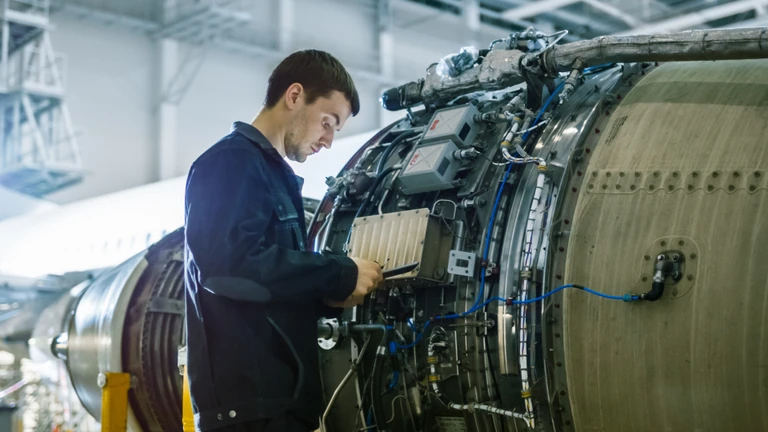
For many individuals, trade school may be worth considering in 2026 because it offers career-focused training, hands-on learning opportunities, and programs that can often be completed in less time than a traditional 4-year degree. Whether trade school is the right choice depends on your career goals, learning preferences, and the type of training required for your chosen field.
First, what do we mean by a trade? Trades are typically hands-on, specialized occupations such as:
- Electricians
- Plumbers
- HVAC Technicians
- Carpenters
- Masons
- Mechanics
- Chefs
- Machinists
In this article, we’ll discuss the benefits of skilled trades, how to determine if trade school is right for you, and how to choose the right trade school.
What Does It Mean to “Study a Trade”?
To study a trade means to acquire the technical skills and knowledge for a specific, hands-on career. Typically, people study for a trade through vocational schools, colleges, or apprenticeships. Colleges such as San Joaquin Valley College (SJVC) offer career-focused certificate and degree programs in skilled trades and technical fields.
Unlike many traditional academic programs, trades programs focus on technical training and the development of occupation-specific skills. While some academic programs require 4 years of education, many trades programs can be completed in less time.
What’s the Difference between a Trade School and an Apprenticeship?
Trade schools provide hands-on, classroom-based training for a fee. In contrast, apprenticeships offer paid, on-the-job training under the supervision of licensed professionals. Trade schools may appeal to students seeking a shorter path to occupation-specific training, while apprenticeships are suited for those who want to learn through real-world job-site experience.
Trade schools and apprenticeships are not mutually exclusive. For instance, a licensed professional may prefer to take on an apprentice who already has the skills taught in trades programs.
Key Benefits of Studying a Trade in 2026
1. Faster Path to a Career
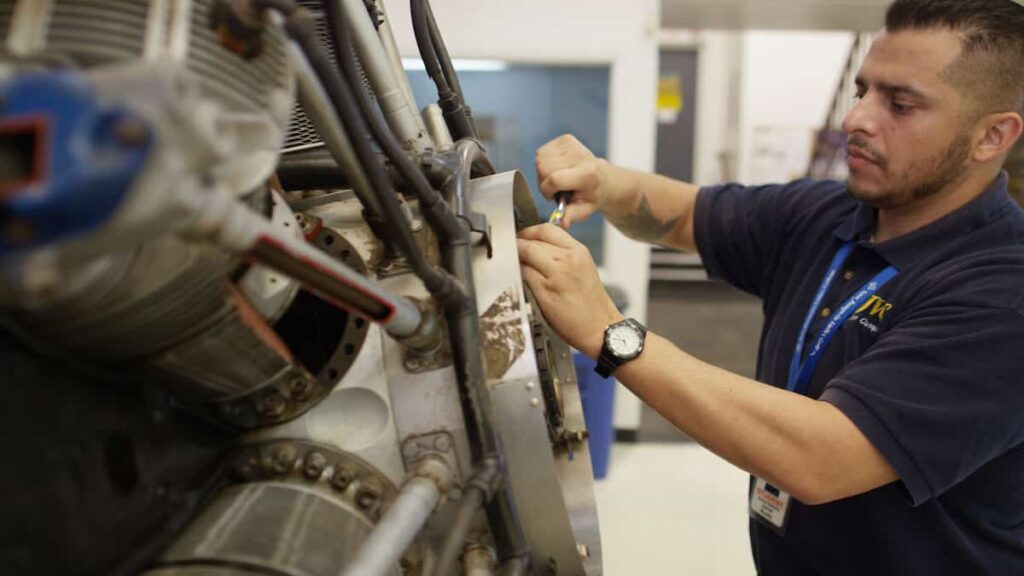
While a bachelor’s degree requires at least 4 years of study and an apprenticeship can take 1-6 years to complete, most trades programs prepare students for careers in as few as 7-14 months. Examples of trade program completion times at SJVC include:
- Aviation Maintenance Technology: As few as 14 months for a Certificate of Completion.
- Construction Management: As few as 14 months for an Associate of Science degree.
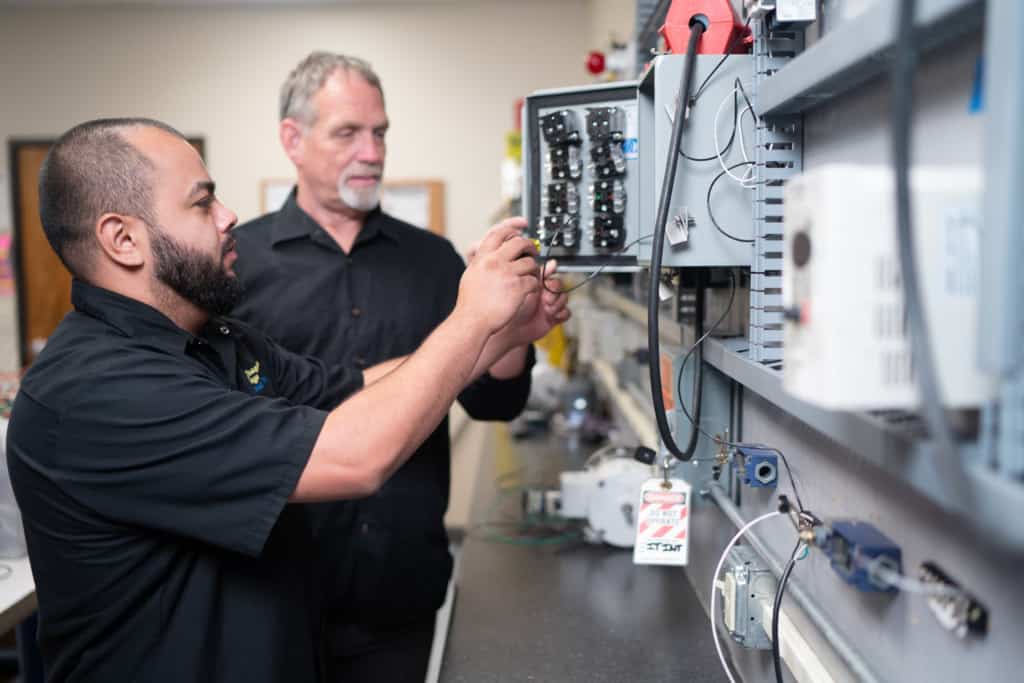
- Electrical Technology: As few as 10 months for a Certificate of Completion.
- Heating, Ventilation, Air Conditioning, and Refrigeration: As few as 10 months for a Certificate of Completion.
- Maintenance Technician: As few as 7 months for a Certificate of Completion.
2. Need for Skilled Workers
At present, the U.S. faces a critical shortage of skilled trade workers, with the Bipartisan Infrastructure Law’s workforce needs projected to expand the job market by 345,000 jobs across sectors. (3) The need for trades workers is compounded by:
- An aging workforce reaching retirement age.
- High demand for infrastructure and energy projects.
- Assumptions that an academic degree is “better” than a vocational degree or certificate.
The trades, therefore, represent multiple opportunities for students who prefer hands-on work and practical skills over the theoretical knowledge offered by academic careers.
3. Work Requires Human Expertise
As artificial intelligence continues to change how some work is performed, skilled trades still rely on manual dexterity, human judgment, and the ability to solve complex problems in changing environments. While technology plays an important role in many industries, skilled trades often require physical work and real-world decision-making that can be difficult to automate.
- Skilled trades professionals often work in physical spaces such as crawlspaces, attics, construction sites, or custom-built structures, where conditions can vary from one project to the next.
- Diagnosing the cause of a malfunctioning plumbing, HVAC, or similar system requires human intuition, experience, and the ability to see and evaluate the problem in context.
That said, AI does have a place in the trades. Tradespeople increasingly use AI diagnostic tools and monitoring systems to improve efficiency.
What Careers Can You Pursue With Trades Training?
Careers you can prepare for in trades programs include careers in construction and maintenance, such as:
- Carpenter
- Electrician
- Elevator Mechanic
- HVAC Technician
- Plumber/Pipefitter
- Solar Photovoltaic Installer
- Welder
Mechanical and automotive trades include:
- Aircraft Mechanic
- Automotive/Diesel Mechanic
- Heavy Equipment Operator
- Machinist/CNC Programmer
- Truck Driver (CDL)
Common Misconceptions About Trades Careers
Trades are for students who cannot get into college
Modern trades require technical, spatial, and mathematical skills, with workers frequently interacting with complex systems. Many tradespeople earn their certificates or degrees from colleges, further disproving this misconception.
Trades work is dirty and risky
The different trades have well-recognized safety and ergonomic policies to protect workers.
The trades offer no way to advance your career
Some trade professionals continue to develop their skills through additional training, certifications, experience, and leadership opportunities throughout their careers. Some choose to start their own businesses.
Trades are only for men
The trades have, historically, been male-dominated, but women are increasingly part of the workforce.
Trades only involve construction work
Skilled trades encompass a wide range of occupations, including aircraft maintenance, electrical technology, HVAC, construction management, manufacturing, and industrial maintenance. Different trades require different skills, training, and work environments.
Why Choose SJVC for your Trade Career Training?
San Joaquin Valley College (SJVC) offers hands-on trade training in California and online through career-focused certificate and degree programs in skilled trades and technical fields. Benefits of skilled trades training at SJVC include:
- Shorter Program Lengths: SJVC offers Certificate and Associate Degree programs that can often be completed in less time than a traditional 4-year degree, depending on the program.
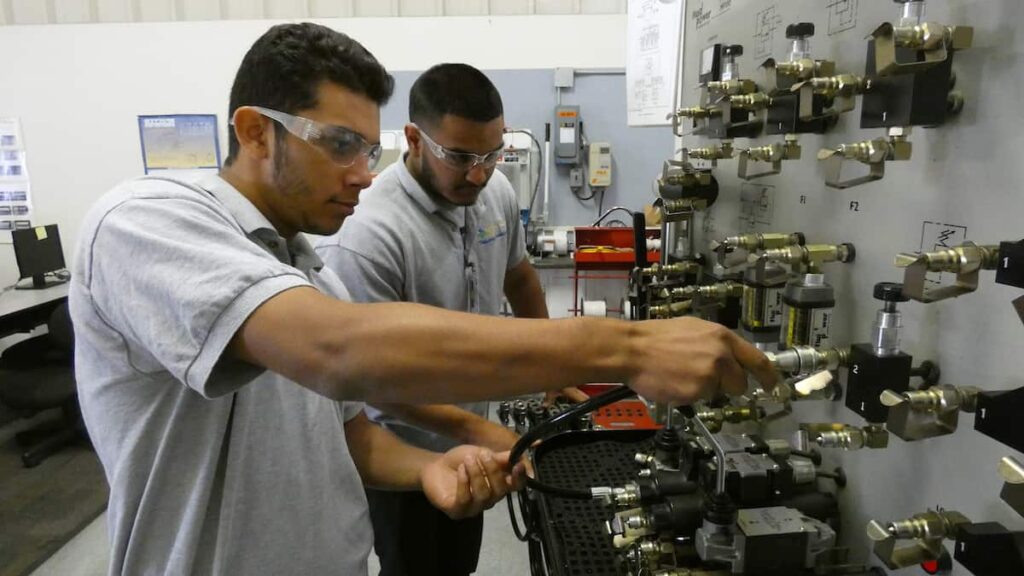
- Hands-On Experience: Our trades programs emphasize practical, real-world experience, with on-campus labs that prepare you for your career.
- Strong Support: Students have access to dedicated Career Services Advisors who provide mock interviews, job search assistance, and resume support.
- Supportive Community: SJVC has 15+ campuses in California and Arizona and offers flexible online learning options for certain programs.
Interested in trades programs but unsure which direction your studies should take? Check out How to Choose the Right Career after High School.
References
- Goldman Sachs. (2026, March 18). How will AI affect the US labor market? Goldman Sachs Insights. https://www.goldmansachs.com/insights/articles/how-will-ai-affect-the-us-labor-market a
- Walravens, S. (2026, January 30). As AI erases entry-level jobs, colleges must rethink their purpose. Forbes. https://www.forbes.com/sites/geekgirlrising/2026/01/30/as-ai-erases-entry-level-jobs-colleges-must-rethink-their-purpose/ a
- Greenberg, E., Schaefer, E., & Weddle, B. (2024, April 9). Tradespeople wanted: The need for critical trade skills in the US. McKinsey & Company. https://www.mckinsey.com/capabilities/people-and-organizational-performance/our-insights/tradespeople-wanted-the-need-for-critical-trade-skills-in-the-us a