








In the skilled trades, practical experience is not just beneficial—it’s essential. For aspiring HVAC-R technicians, practical training provides the foundational knowledge and technical skills necessary to excel in the industry. This blog explains the importance of hands-on HVAC training, how it prepares students for a successful career, and why it’s a good first step to mastering refrigeration and other key HVAC systems.
Why Hands-On Training Is Crucial in HVAC-R
In HVAC programs, theoretical coursework provides a much-needed overview of complex yet impactful concepts such as thermodynamics and magnetism. Without hands-on HVAC training, it can be difficult to fully understand how these seemingly abstract ideas play out in real-world settings. Hands-on experiences spark genuine understanding while offering lower-stakes opportunities to discover the intricacies of HVAC-R installation, maintenance, and repair.
Learning by Doing
Hands-on activities appeal greatly to kinesthetic learners, who thrive on tangible experiences. Other types of learners can benefit from this approach as it translates directly to eventual tasks completed in the field. Learning by doing also promotes precision by allowing you to practice using essential tools and techniques.
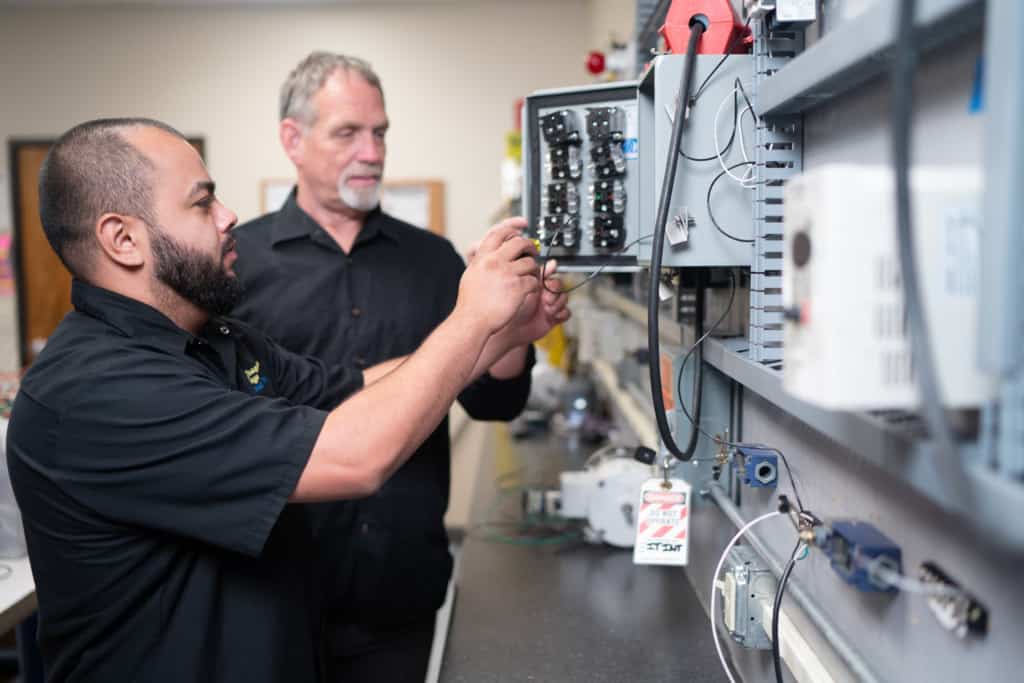
Labs or simulations reflect the HVAC field’s most common challenges, such as dealing with a malfunctioning air conditioner. While working in the lab, students explore troubleshooting techniques, using multimeters or pressure gauges to test components. From there, they determine the root cause and appropriate actions, such as sealing leaks or recharging with refrigerant.
Bridging the Gap Between Theory and Practice
Many training programs promise to “bridge the gap” between concepts covered in the traditional classroom and tasks executed in real-world environments, but what exactly does this mean? This idea of “bridging the gap” involves a lightbulb moment, in which a complex concept “clicks” and feels accessible. For example, this can be the difference between discussing thermodynamics and using that knowledge to make real-world decisions that influence HVAC procedures.
Key Components of HVAC Hands-On Courses
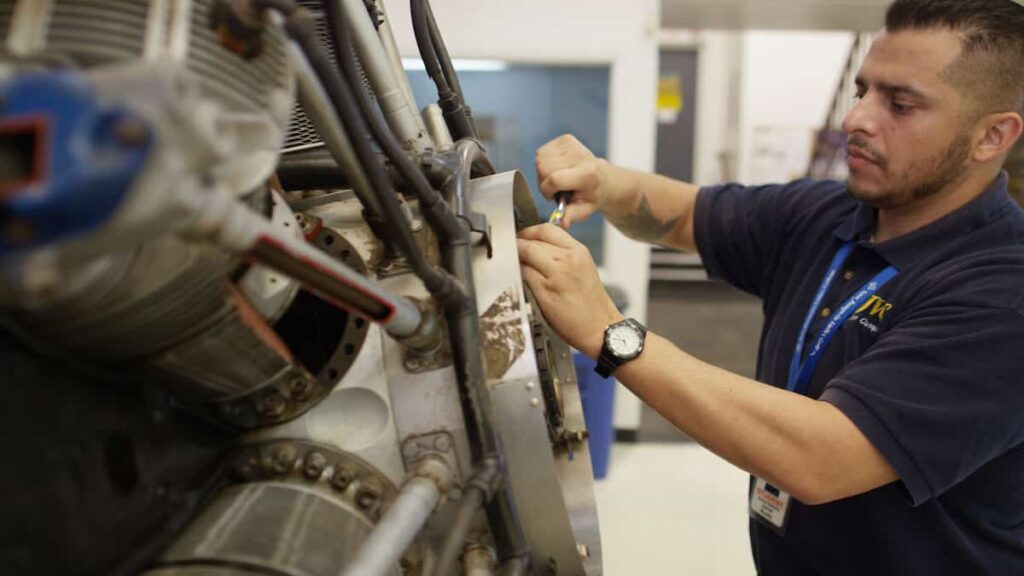
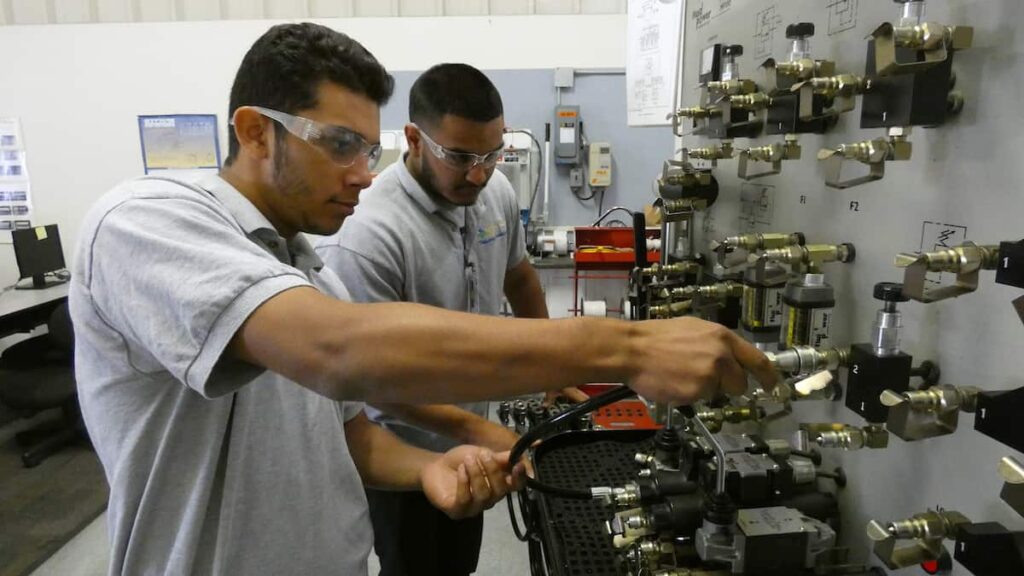
There are many ways to bring HVAC-R concepts to life through tangible experience. HVAC practical training begins in lab environments, where students actively explore HVAC-R system components along with the many tools and techniques needed to help these systems run optimally.
Working With Refrigeration Systems
Refrigeration systems use advanced mechanisms to absorb and reject heat by manipulating the working refrigerant’s pressure via expansion and compression. (1) Essentials such as compressors and condenser coils are a lot easier to understand when examined up close, which is where hands-on learning experiences come into play.
Refrigeration coursework encourages you to apply principles such as heat transfer to actual refrigeration systems, offering many opportunities to put diagnostic practices into action and even to practice skills such as brazing. (2)
Troubleshooting HVAC Equipment
Critical thinking and problem-solving are some of the most important soft skills in an otherwise highly technical field. (3) Critical coursework alone cannot adequately teach these skills. Instead, class-based troubleshooting experiences expose students to the challenges of diagnostics. Through a hands-on HVAC training program, students can practice a variety of troubleshooting techniques and learn how to use key insights to diagnose issues quickly and accurately.
Preparing for a Career as an HVAC-R Mechanic and Installer
According to the Bureau of Labor Statistics, the future is bright for heating, air conditioning, and refrigeration mechanics and installers. (4) With the right training and experience, the field can deliver impressive career satisfaction along with a unique blend of professional stability. Set yourself up for success by enrolling in a trusted HVAC-R training program and actively engaging in classes and lab experiences. (5)
Developing Industry-Specific Skills
Technical skills form the foundation for success in the HVAC-R field. These take many forms, including everything from reading and interpreting blueprints to brazing, leak testing, and beyond. (6) Many of these skills call for hands-on capabilities and incredible precision, while relying on a thorough understanding of the field’s theoretical concepts, such as heat flow, gas laws, and magnetism, to name a few. (7)
HVAC-R coursework breaks down these concepts and reveals how they relate to diagnostic procedures, installation, maintenance, and repairs. Meanwhile, hands-on opportunities blend advanced theoretical knowledge with problem-solving capabilities, ensuring that theory influences everyday HVAC-R tasks and workflows.
Building Confidence Through Practice
Entering the HVAC field can feel overwhelming. The stakes are a lot higher when working with actual clients and navigating unfamiliar settings or situations. Add new techniques and technologies, and it’s easy to see why this field’s learning curve can seem so steep. With HVAC-R hands-on training programs, much-needed confidence can be developed one step at a time. Each lab or project provides a chance to work directly with complex tools and equipment so that, over time, using these can begin to feel second nature.
Where Can I Find Hands-On HVAC Technician Courses?
Many trade schools and colleges offer hands-on HVAC training. Look for schools with the following important elements:
- Dedicated HVAC labs
- Access to industry-current equipment
- Guidance from experienced instructors
- Opportunities to practice installation, diagnostics, maintenance, and repair
For an example of a hands-on HVAC training program, check out SJVC’s Heating, Ventilation, Air Conditioning & Refrigeration (HVAC-R) program.
How Do I Choose a Reliable HVAC School?
Take your time choosing an HVAC program. You want one that provides high-quality instruction, hands-on training, opportunities to work with industry equipment, and supports you during and after your education. The school should provide:
- Hands-on training opportunities
- Experienced instructors
- A career-focused curriculum that aligns with industry skills
- Modern, industry-current equipment
- Career and student services support
Additionally, look for schools that have convenient campus locations and a helpful admissions and financial aid department.
Advantages of Hands-On Training in Skilled Trades Education
There are many ways to prepare for a bright future in the skilled trades, but few strategies match the credibility and confidence of hands-on training through targeted trade school programs. Hands-on training offers in-depth theoretical coverage with deeply engaging learning opportunities that help students develop and use critical skills.
Immediate Application
Theoretical knowledge matters, but it only goes so far. Students must be able to translate theory into practical results as an employable HVAC-R technician. Hands-on training promotes immediate application so students graduate ready to enter the field and provide excellent service. While still enrolled, practical application reinforces technical knowledge, making difficult concepts easier to grasp and retain in the long run.
Career Readiness
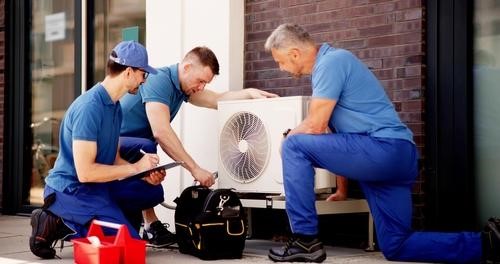
Done right, hands-on training allows you to promptly step into the HVAC-R field and feel confident as you complete critical tasks such as calibrating thermostats, repairing ductwork, cleaning coils, or installing AC units. As you tackle these and other responsibilities, you will draw on both your advanced theoretical knowledge and your wealth of experience, combining both essentials to help guide you as you perform a variety of complex diagnostic, maintenance, and installation tasks.
Why Choose SJVC for HVAC-R Training?
Ready to take the next step on the path to HVAC-R career success? Think carefully before you choose a certificate program. You need to feel confident in the quality of instruction, including both theoretical coursework and hands-on learning experiences.
Comprehensive Curriculum
Covering a wide range of topics relevant to the HVAC-R technicians of tomorrow, SJVC’s comprehensive curriculum includes courses purposefully tailored to reflect the challenges and opportunities within the contemporary HVAC-R industry.
As an HVAC-R student, you will take a deep dive into essentials such as heating, cooling, and refrigeration system principles, troubleshooting and diagnostic techniques for mechanical and electrical issues, and the safe handling of tools, equipment, and refrigerants. You learn to tackle a range of procedures and discover how these relate to different HVAC and refrigeration units. By the time you complete these courses, you should be prepared to enter the field confidently.
The First Step to Your Career Path
In addition to offering immersive coursework, SJVC offers assistance with the practical challenges of getting started in the HVAC-R industry. Our goal is to provide a seamless transition between training and employment. Our Career Services Advisors help connect you with potential employers or craft a resume that stands out. This extra guidance can help you plan your dream career and find opportunities that energize and engage you.
Embrace Hands-On Experiences With SJVC’s HVAC-R Program
Hands-on experience is the foundation of success in the HVAC-R skilled trades. By providing practical HVAC training, the SJVC HVAC-R program prepares students for a rewarding career as an HVAC-R technician, mechanic, or installer. You’ll benefit from a program that combines theoretical instruction with hands-on HVAC training.
Ready to take the first step toward a fulfilling HVAC-R career? Explore SJVC’s Heating, Ventilation, Air Conditioning & Refrigeration program today.
Resources
- Fort, D. “Basic Refrigeration: Understanding The Refrigeration Cycle.” Air Conditioning, Heating & Refrigeration News. https://www.achrnews.com/articles/153366-basic-refrigeration-understanding-the-refrigeration-cycle
- LukasMilhaupt. “Brazing Tips and Techniques.” https://www.lucasmilhaupt.com/Lucas/Downloadable-Content-Assets/LucasMilhaupt_BrazingTipsandTechniquesUSE.pdf
- Talbot, T. “Where HVAC Soft Skills and Technical Skills Meet.” FieldEdge. https://fieldedge.com/blog/where-hvac-soft-skills-and-technical-skills-meet/
- U.S. Bureau of Labor Statistics. “Heating, Air Conditioning, and Refrigeration Mechanics and Installers.” https://www.bls.gov/ooh/installation-maintenance-and-repair/heating-air-conditioning-and-refrigeration-mechanics-and-installers.htm
- Indeed. “How to Become an HVAC Technician.” https://www.indeed.com/career-advice/career-development/how-to-become-a-hvac-technician
- Indeed. “10 HVAC Skills and How To Highlight Them to Employers.” https://www.indeed.com/career-advice/career-development/hvac-skills
- Orr, B. “Gas Law Concepts for HVAC-R.” Air Conditioning, Heating & Refrigeration News. https://www.achrnews.com/articles/141539-gas-law-concepts-for-hvacr.